
The best time to visit Húsavík by activity
The best time to visit Húsavík for a combination of whale watching and puffin trips is early summer or summer, when the documented product seasons overlap. That is a choice based on available activities, rather than a promise of calm seas or a particular animal. If winter darkness matters more, plan a different visit with road conditions and indoor alternatives at its centre.
Travellers asking about the best time to see whales in Iceland should match that question to the actual departure town and product. In Húsavík, a classic oak-boat trip has a longer published season than the electric boat and the puffin combinations. Start with the activity that matters most, then fit accommodation and travel around its operating dates instead of applying one national season to every boat.
Season overview for boats and puffins
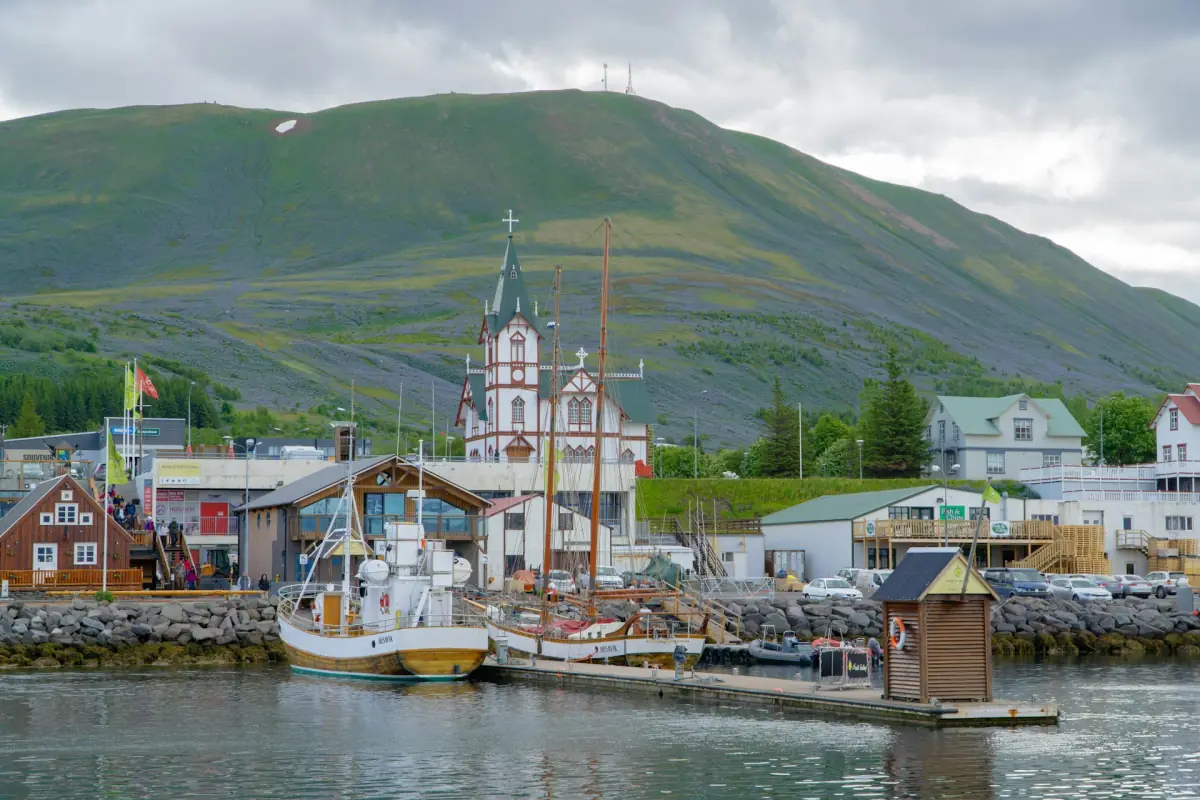
The electric oak-boat whale-watching trip runs for approximately three hours and has a published season from 1 June to 30 September. The cruise includes live commentary from a professional guide, light refreshments and warm overalls. Its meeting point is at the harbour in Húsavík, with your journey there arranged separately.
The classic oak-boat product is described as operating from 1 March to 30 November. Puffins are described as arriving in mid-April and remaining until late August, but the bookable combination season is shorter: one whale-and-puffin product ends on 10 August. For the specific RIB product, the puffin element runs approximately from mid-April to mid-August. Choose dates within the season of your intended trip, not just the wider period when birds may be present.
A seasonal boat trip
The electric oak boat has a published June to September season.
Hand-picked tours, booked through GetYourGuide. Prices are indicative starting prices in euros (as of November 2026). Tap a tour for live availability and the current price in your currency.

A summer electric-boat departure
The three-hour electric oak-boat whale-watching cruise has a June-to-September season, with commentary, refreshments and warm overalls.
Húsavík weather and sea conditions
Húsavík weather and sea conditions can change a boat day in any operating season. The captain and crew decide whether a departure can run safely, and an open calendar does not mean sailing in every condition. Keep a flexible land-based option and, where your stay allows, avoid leaving the boat trip until the last possible slot.
Húsavík sea conditions need a departure-day forecast alongside longer-term planning. Use the local forecast and the trip’s operating information close to travel. Possible observations include humpback whales, minke whales, white-beaked dolphins and harbour porpoises; wildlife remains unpredictable. The whale-watching guide explains the boat choices, while the puffin guide focuses on the seasonal bird combinations.
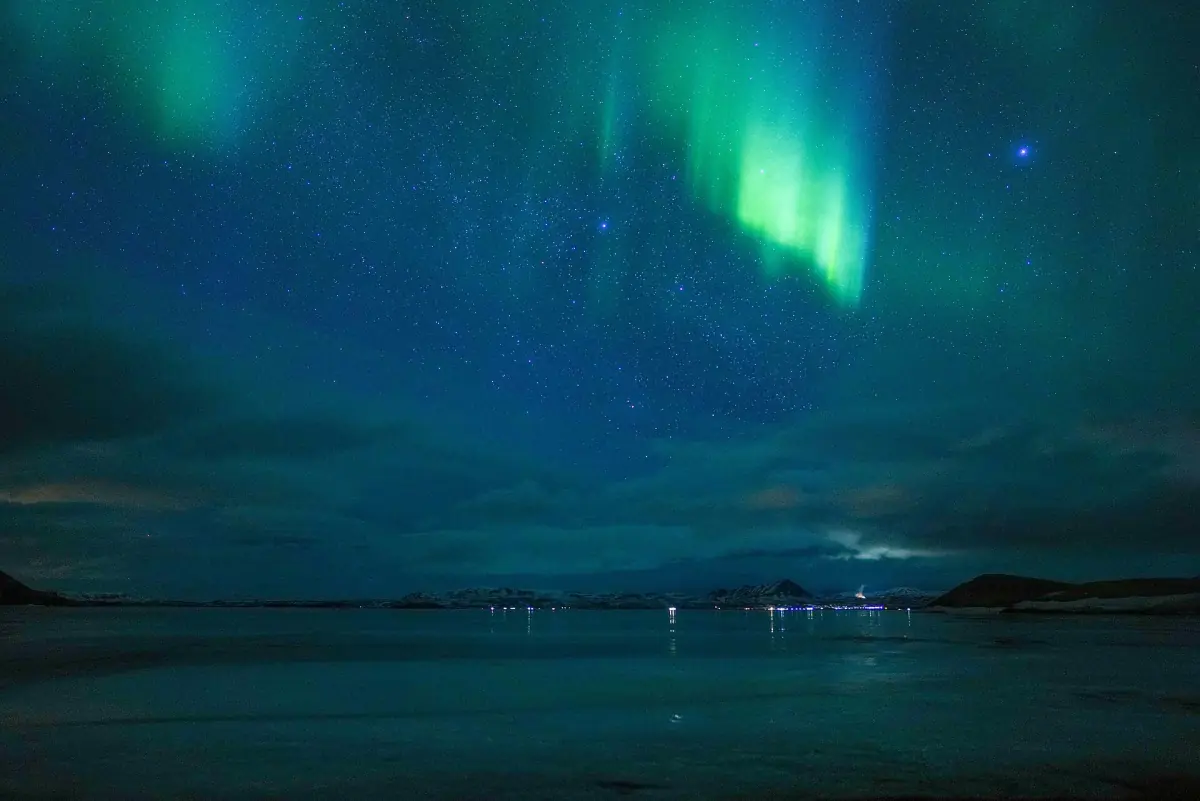
Winter and northern lights from September to April
Húsavík northern lights planning belongs within the September-to-April dark observation season described for Iceland. Clear skies and low light pollution matter, and a dark night alone does not ensure a display. Treat an aurora as a possibility around your stay rather than the guaranteed result of choosing a particular room or bathing visit.
Winter alternatives in Húsavík include the Whale Museum and geothermal seawater bathing. The museum publishes October-to-April hours of 10:00 to 16:00, with May-to-September hours of 09:00 to 18:00. GeoSea displays 12:00 to 22:00 opening hours. Match a visit to its operating calendar, including any special dates; a seasonal schedule does not settle every individual day. See the bathing guide for timed tickets and visit rules.
Dark months and road conditions
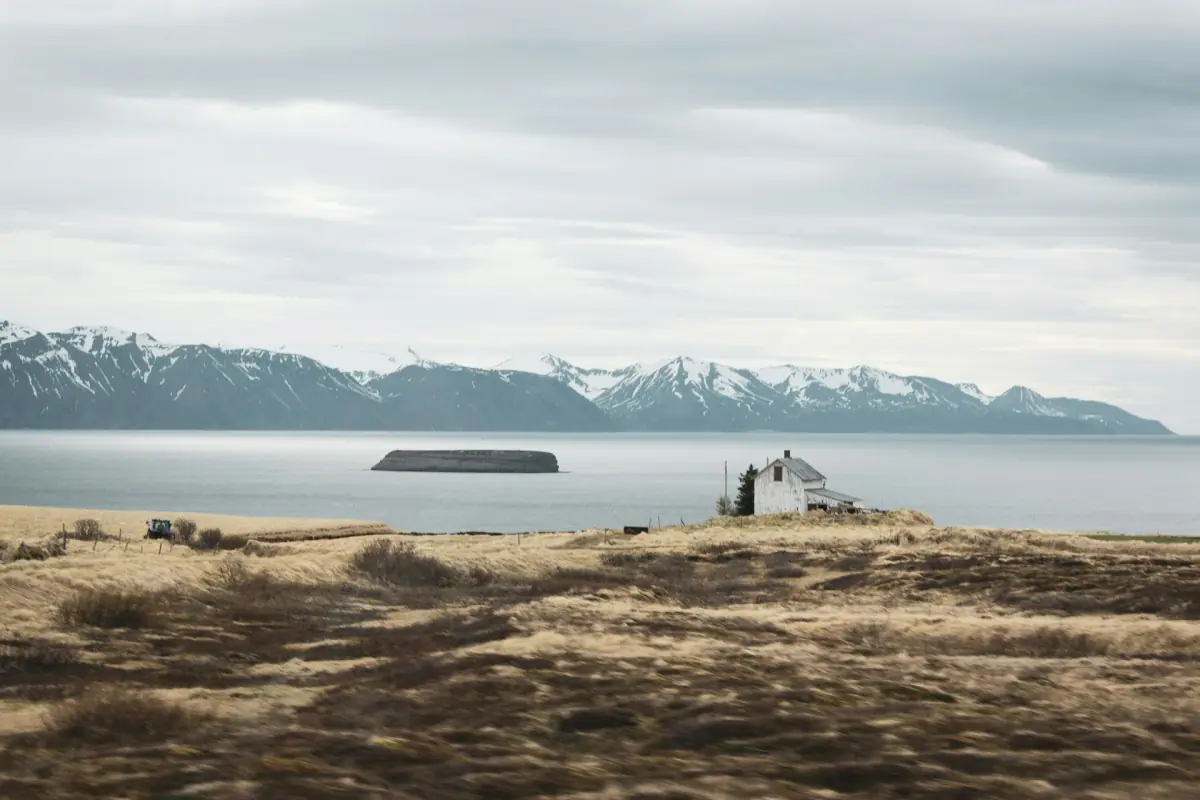
Winter driving around Húsavík needs allowance for ice, unpredictable weather and short daylight windows. Roads can close at short notice. Build a smaller day around conditions and consult current road and weather information, rather than trying to complete a summer-sized sightseeing plan between fixed bookings.
Dettifoss illustrates why the access route matters: the paved western road 862 has limited winter service, while eastern road 864 is gravel and seasonal. A clear stretch near your accommodation does not describe the whole route. The Diamond Circle guide separates the destinations and approaches, and the arrival guide helps connect the town with Akureyri.
Continue planning from Húsavík
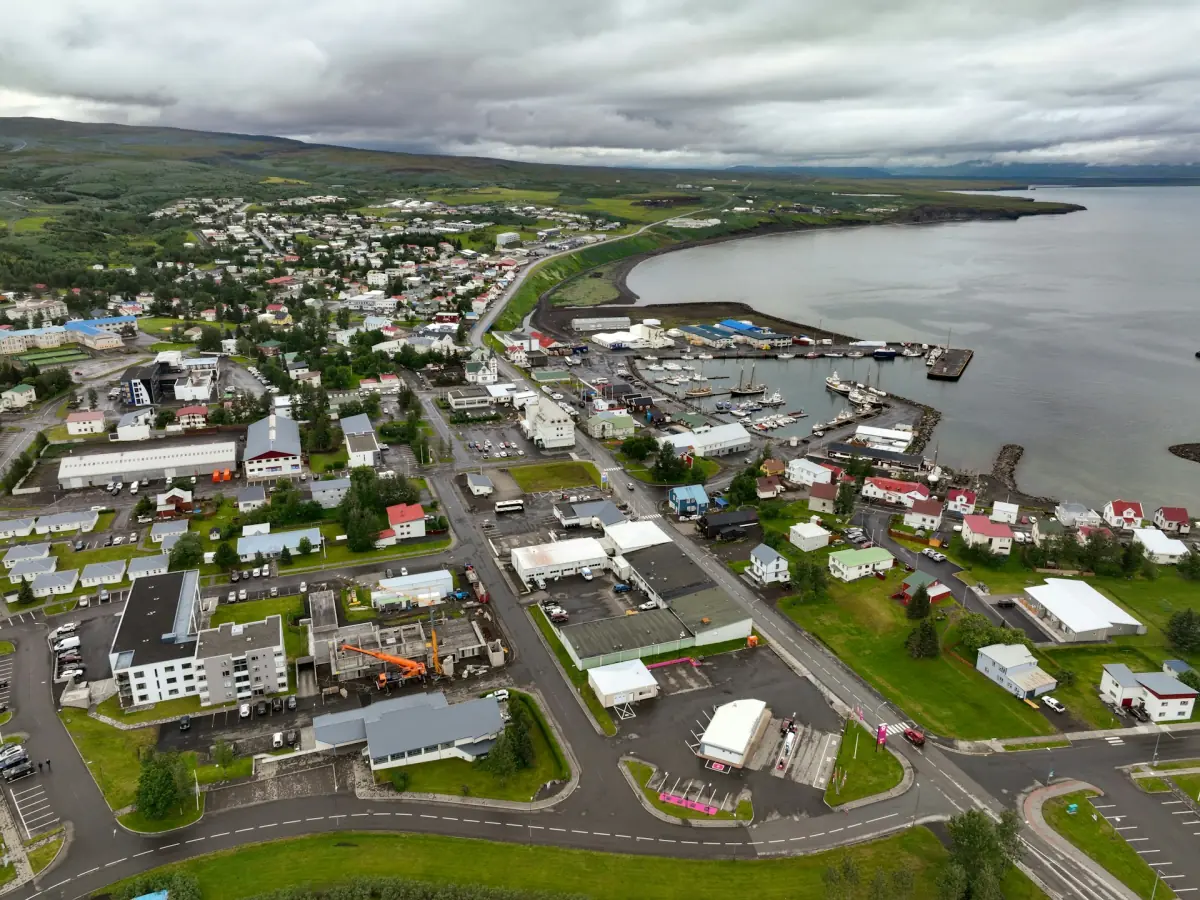
Húsavík planning starts with the journeys and activities that shape each day. Use these guides to connect your arrival, overnight base and time outside town.
Questions about Húsavík
When do whale watching and puffin trips overlap?
Early summer and summer provide the broadest overlap among the documented Húsavík whale and puffin products. The electric boat runs from June through September, while one whale-and-puffin combination ends on 10 August. Match your dates to the chosen product because bird presence and bookable sailing dates are different things.
Are the northern lights guaranteed in winter?
No. Húsavík shares Iceland’s September-to-April dark observation season, but northern lights still depend on suitable conditions. Clear skies and low light pollution help with viewing. Choose daytime plans and an overnight base that work for your trip, then treat a possible display as an additional experience rather than a promised service.
Does a summer boat booking guarantee calm seas?
No. Húsavík departures depend on weather and sea conditions even within the advertised operating season. The captain and crew decide about cancellations. Keep some room in your itinerary and a land-based alternative, rather than making the rest of your journey depend on one sailing taking place at its original time.